P/N 2455038-2: Engine Cooling Airflow Component
P/N 2455038-2: Engine Cooling Airflow Component
Blog Article
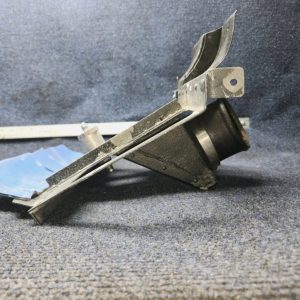
P/N 2455038-2 offers replacement potential for technicians addressing damaged, corroded, cracked, distorted, or missing cooling-system structure within a compatible aircraft.
Accurate use of Cessna 172RG Rear Right-Hand Baffle, Cessna 172RG Engine Baffle, and Cessna 172RG Cooling Baffle terminology improves SEO without overstating fitment.
Whether described as a Cessna Cutlass Engine Baffle, Cessna 172RG Baffle Assembly, Rear RH Engine Baffle, or Aircraft Engine Baffle Assembly, precise configuration verification remains essential.
Whether buyers require a Cessna Engine Cooling Baffle, Aircraft Cooling Air Baffle, or Cessna 172RG Airflow Baffle, surrounding seals and attachment points should also be inspected.
Whether marketed as an Engine Cooling Baffle Assembly, Cessna Cutlass Cooling System Part, or Cessna 172RG Replacement Cessna 172RG Rear RH Baffle Assembly Baffle, the component should receive individual inspection.
Understanding P/N 2455038-2
The seller should provide photographs of identification markings, flanges, holes, brackets, edges, formed contours, and previous repairs.
Strong traceability improves the commercial and maintenance value of the Cessna 172RG Rear RH Baffle Assembly.
Function of the Rear Right-Hand Baffle
The component should not be considered an isolated panel because its effectiveness depends on the condition of the complete baffle arrangement.
Engine condition, instrumentation, seals, cowling, operations, and surrounding baffles should be considered during troubleshooting.
Choosing the Correct Cessna Engine Baffle
The Cessna 172RG Cutlass may contain production changes, previous repairs, engine modifications, or altered cooling-system components that affect fitment.
A component that fits one aircraft approximately may still interfere with another installation.
Maintaining Original Baffle Geometry
An Aircraft Engine Baffle Assembly may include formed sheet material, flanges, stiffening bends, brackets, attachment holes, seal-retaining features, and related hardware.
Small distortions may create air gaps, cowling interference, fastener misalignment, or stress around mounting points.
Aircraft Cooling Component Inspection
Areas near fasteners and vibration-prone attachment points deserve particular attention.
Qualified evaluation helps determine whether repair, replacement, or rejection is appropriate.
Managing Gaps Around the Engine Baffles
Old seals may be useful as templates even when they are unsuitable for continued service.
Careful seal fitting supports more consistent cooling-air control.
Engine Compartment Contamination Concerns
The depth and area of corrosion should be evaluated using suitable maintenance procedures.
Responsible corrosion prevention supports long-term component value.
Crack and Fastener-Hole Inspection
Detailed attachment-point inspection supports accurate repair planning.
Fastener type, diameter, grip, spacing, and installation method should correspond with applicable data.
Cessna Cutlass Cooling System Components
A missing bracket, damaged seal, or distorted neighboring panel can delay installation even when the primary baffle is available.
Parts should be labeled and segregated according to condition and inspection status.
Diagnosing Cessna 172RG Cooling Concerns
Missing seals, open gaps, loose cowling, or incorrectly installed neighboring components can affect airflow distribution.
System-level diagnosis supports responsible engine cooling maintenance.
Sheet-Metal Cooling Component Restoration
The technician should consider access, labor, material, finishing, alignment, seals, and future maintainability.
The completed component should be inspected before installation.
Evaluating a Used Aircraft Cooling Baffle
Components with clear donor-aircraft information, current photographs, and transparent condition descriptions are easier for professional buyers to evaluate.
Dimensions and detailed photographs should be supplied before shipping arrangements are finalized.
Aircraft Engine Baffle Pre-Purchase Guide
A pre-purchase review should confirm P/N 2455038-2, donor-aircraft details, model and serial applicability, engine configuration, dimensions, material condition, repairs, included seals, brackets, hardware, and documentation.
- Determine whether seal material, retainers, fasteners, clips, brackets, records, or release documents are included.
- Confirm whether the component came from an accident aircraft, overheated engine compartment, corroded airframe, dismantled project, or controlled removal.
- Confirm the invoice, payment protection, packaging method, shipping insurance, inspection period, return conditions, and stated component status.
Shipping and Storing the Rear RH Baffle
The shipping container should resist crushing, puncture, vibration, and uncontrolled movement.
Identification tags and records should remain attached or clearly associated with the component.
Cessna Cutlass Cooling System Installation
The baffle should be trial-fitted to confirm contour, hole alignment, bracket position, seal contact, engine clearance, and cowling relationship.
Correct workmanship supports a secure and effective cooling-air boundary.
Abnormal vibration, rubbing, loose hardware, unusual temperature indications, or cowling interference should receive prompt attention.
Protecting Aircraft Cooling Components
Cleaning should preserve evidence long enough for maintenance findings to be documented.
Seal material should remain flexible, correctly oriented, securely attached, and positioned against the intended cowling surfaces.
Selecting a Cessna 172RG Cooling Component
For the appropriate Cessna Cutlass installation, the assembly can help restore the intended rear right-hand cooling-air boundary when surrounding components are also maintained properly.
The strongest purchasing decision begins with confirming the complete part number, donor-aircraft details, aircraft serial applicability, engine configuration, right-hand position, dimensions, mounting geometry, seal condition, repair history, included hardware, and documentation.
Whether the component is purchased for scheduled maintenance, corrosion replacement, cooling-system repair, accident recovery, restoration, or spare-parts support, transparent information and professional oversight provide the strongest foundation.
P/N 2455038-2 can deliver a professional combination of replacement value, cooling-system relevance, engine-compartment protection, and Cutlass application potential.
Report this page